
Business Setup in Dubai What Every Business Owner Should Know
Starting a business setup in Dubai has become a popular choice for entrepreneurs around the world. The city offers a favorable environment, low taxes, and modern infrastructure. Dubai’s growing economy supports both small and large businesses. If you want to set up a new company or expand an existing one, Dubai provides endless opportunities.
- Understanding Business Setup in Dubai

What Makes Dubai a Business Hub?
Dubai has a strong economy, open trade policies, and excellent infrastructure. It connects businesses to Asia, Africa, and Europe, making it a central trading point. Government policies support startups and international investors alike. Additionally, free zones and low tax rates attract business owners worldwide.
The Importance of Legal Framework
Setting up a business in Dubai requires following specific legal rules. The UAE Commercial Companies Law governs most business activities. You must select a legal structure, get approvals, and register with proper authorities. Legal compliance ensures your company can operate safely and smoothly.


Key Sectors to Consider
Dubai offers various sectors for investment such as real estate, tourism, retail, and technology. Logistics, finance, and healthcare are also rapidly growing. Choosing the right sector depends on your business goals, budget, and market research. Each industry has its own licensing and regulatory needs.
Choosing the Right Jurisdiction
Dubai offers three main types of jurisdictions: Mainland, Free Zone, and Offshore. Each comes with its own rules, benefits, and limitations. The right choice depends on your company’s activities, ownership goals, and target market. Understanding the differences is critical to your business success.

- Types of Business Structures in Dubai
In Dubai, there are different types of business structures like Mainland, Free Zone, and Offshore companies. Each has its own rules, benefits, and ownership requirements.
Sole Proprietorship
A sole proprietorship is ideal for individual entrepreneurs. The owner has full control and profits go directly to them. However, the owner is also fully liable for any debts. It is most suited for service-based professionals like consultants or freelancers.
Limited Liability Company (LLC)
LLCs are among the most common business structures in Dubai. They offer flexibility, limited liability, and allow for multiple partners. An LLC requires a local sponsor with 51% ownership for mainland businesses, though recent changes allow full foreign ownership in many sectors.
Free Zone Company
Free Zone companies are fully owned by foreign investors. They enjoy tax benefits and simplified setup processes. However, they are limited to operating within the free zone or internationally, unless a local distributor is appointed for mainland trade.
- Steps to Setup a Business in Dubai
To set up a business in Dubai, first choose the right business activity and structure (like LLC or Free Zone). Then apply for the license, submit required documents, and secure an office space.
- Step 1: Choose Your Business Activity
- Step 2: Select the Legal Structure
- Step 3: Choose a Trade Name
- Step 4: Apply for Initial Approval
Your business activity determines which licenses you need. Dubai offers thousands of permitted activities in different sectors. It’s important to choose the activity that aligns with your business goals. You may also require approvals from specific government departments.
The legal form depends on the number of shareholders and your business model. Decide whether you want a sole proprietorship, partnership, LLC, or other form. This decision affects registration steps, ownership rights, and liability.
Your company name should match your business type and follow naming rules. Offensive or religious names are not allowed. The name must be unique and registered with the Department of Economic Development (DED) or the respective free zone authority.
Initial approval allows you to proceed with the next setup steps. It shows that the government has no objection to your business. You can then rent office space, prepare documents, and submit the license application.
- Licensing and Registration Process
The licensing and registration process is an official procedure to get government approval for operating a business, vehicle, or service. It involves filling out forms, paying fees, and submitting required documents.
Types of Licenses
_____________
Dubai offers commercial, industrial, professional, and tourism licenses. The license depends on your activity. For example, a retail shop needs a commercial license, while a factory needs an industrial license. Each license has specific requirements and fees.
Documentation Required
_____________
You need various documents including passport copies, visa details, business plan, and proof of address. Legal documents such as Memorandum of Association (MOA) and lease contracts are also needed. These must be submitted to the appropriate licensing authority.
Office Space Requirements
_____________
Depending on the jurisdiction, you may need a physical office or virtual office. Mainland companies require a rented office space. Free zones offer flexible office packages such as co-working desks or executive offices. Proof of office space is essential for license approval.
Office Space Requirements
Depending on the jurisdiction, you may need a physical office or virtual office. Mainland companies require a rented office space. Free zones offer flexible office packages such as co-working desks or executive offices. Proof of office space is essential for license approval.
Final License Issuance
_____________
After document submission and payment, your license will be issued. You can now legally operate your business. Keep in mind that licenses must be renewed yearly. Any delay can result in penalties or cancellation.
- Free Zone vs Mainland vs Offshore
Mainland Company Benefits
Mainland companies can trade across the UAE without restrictions. They can also bid for government contracts and open multiple branches. However, they must meet local ownership or service agent requirements in some cases.

Free Zone Advantages
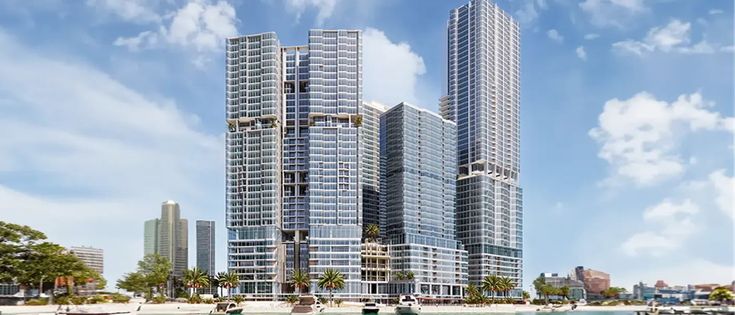
Free zones Company formation offer 100% foreign ownership, tax exemptions, and simplified setup. Each zone specializes in certain industries like IT, media, or healthcare. Free zones also offer networking opportunities and world-class facilities.
Offshore Company Setup
Offshore companies are ideal for international business and asset protection. They don’t require a physical office and can be operated remotely. However, they cannot do business within the UAE market. They are used mainly for holding assets and international transactions.


Comparison and Decision Guide
Your decision depends on business goals, market access, and budget. Free zones suit startups and tech firms, mainland is good for UAE-wide trade, and offshore fits international investors. Evaluate costs, control, and legal requirements before choosing.
- Benefits
Benefits are the positive outcomes or advantages you get from something. They help improve your life, make tasks easier, or add value in some ways.
- Costs Involved in Business Setup
Licensing and Government Fees
The cost of setting up a business in Dubai depends on the license type and location. Government fees for registration and licenses vary across jurisdictions. Some areas also offer setup packages with discounted fees.
Office Rental and Utilities
Office rent is a major expense in the mainland setup. Free zones offer affordable shared workspaces. Additional costs include electricity, internet, and office maintenance. Your budget must include these ongoing expenses.
Visa and Immigration Costs
You’ll need a residency visa to run your business. Visa costs include application fees, medical tests, and Emirates ID processing. You can also sponsor visas for family members or employees. Each visa comes with additional fees.
Operational and Renewal Costs
Once your business is running, you must renew licenses and visas annually. There are also accounting, marketing, and UAE Tex compliance costs. Free zones often offer bundled renewal packages to simplify the process.
Business Support Services
Business Consultants in Dubai
Consultants help with legal paperwork, license applications, and office selection. They also guide on compliance and local regulations. Hiring a consultant saves time and reduces setup errors.
PRO Services and Govt Liaison
PRO services handle all government-related tasks including visa processing and document approvals. They are useful for business owners unfamiliar with UAE bureaucracy. PRO services can also help renew licenses and visas.
Accounting and Bookkeeping
Dubai law requires proper bookkeeping and annual financial reporting. Hiring an accountant ensures tax compliance and helps manage cash flow. Many firms offer outsourced accounting packages.
- Frequently Asked Questions
The process can take from a few days to a few weeks. It depends on your business activity, location, and document preparation.
Yes, foreigners can own 100% of companies in free zones and in many mainland activities due to recent legal changes.
A local sponsor is only required for certain mainland companies. Free zone and offshore companies do not need a local sponsor.
Free zones offer full ownership, tax benefits, easy setup, and modern facilities. However, you may need a local agent to trade on the mainland.
Challenges include legal paperwork, high office rent, and banking procedures. Hiring professional support can reduce these issues.
Costs vary based on business type and location. Free zones often have budget-friendly packages. Mainland businesses may face higher expenses.
Yes, especially if you set up an offshore or free zone company. You can manage operations remotely and visit when needed.